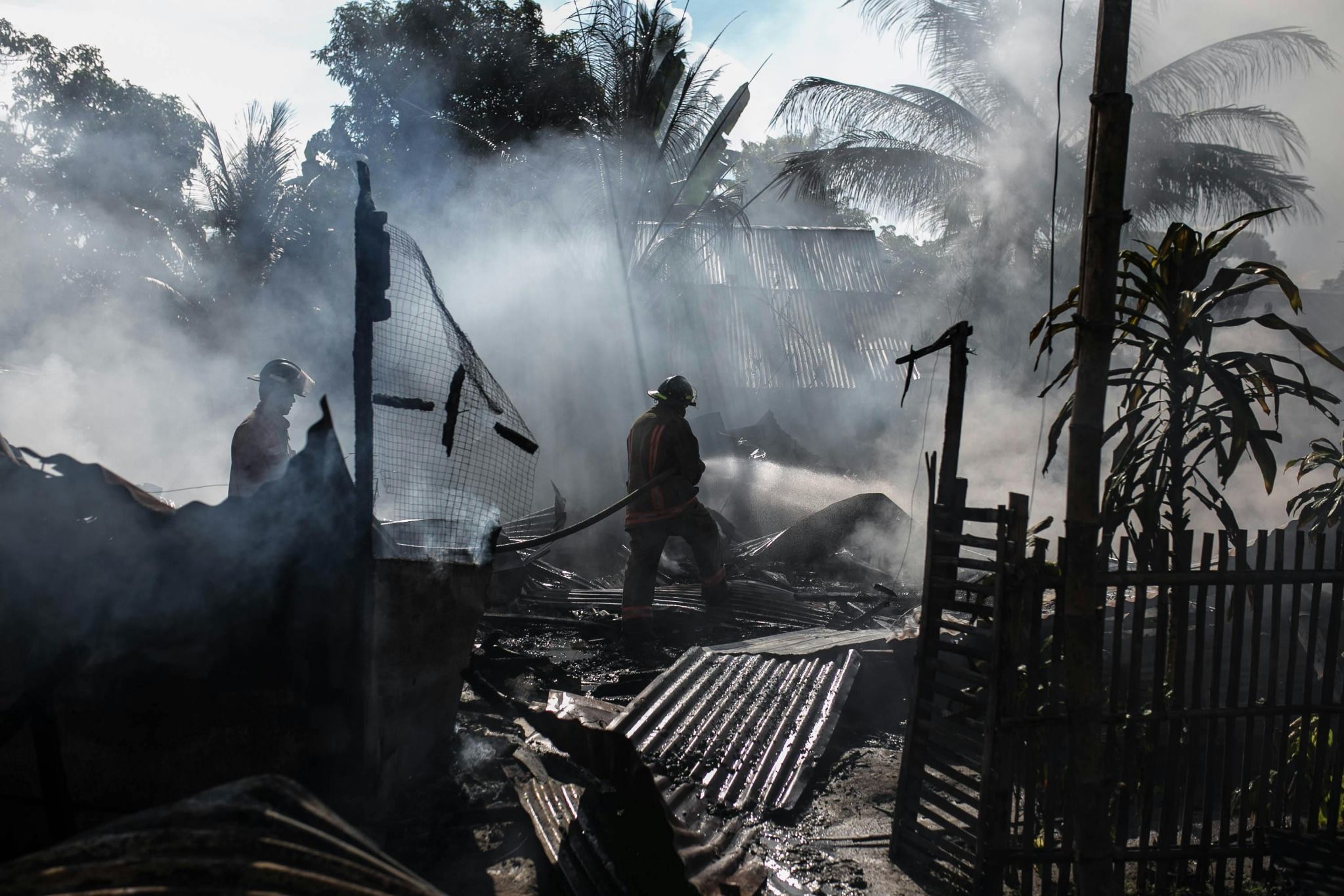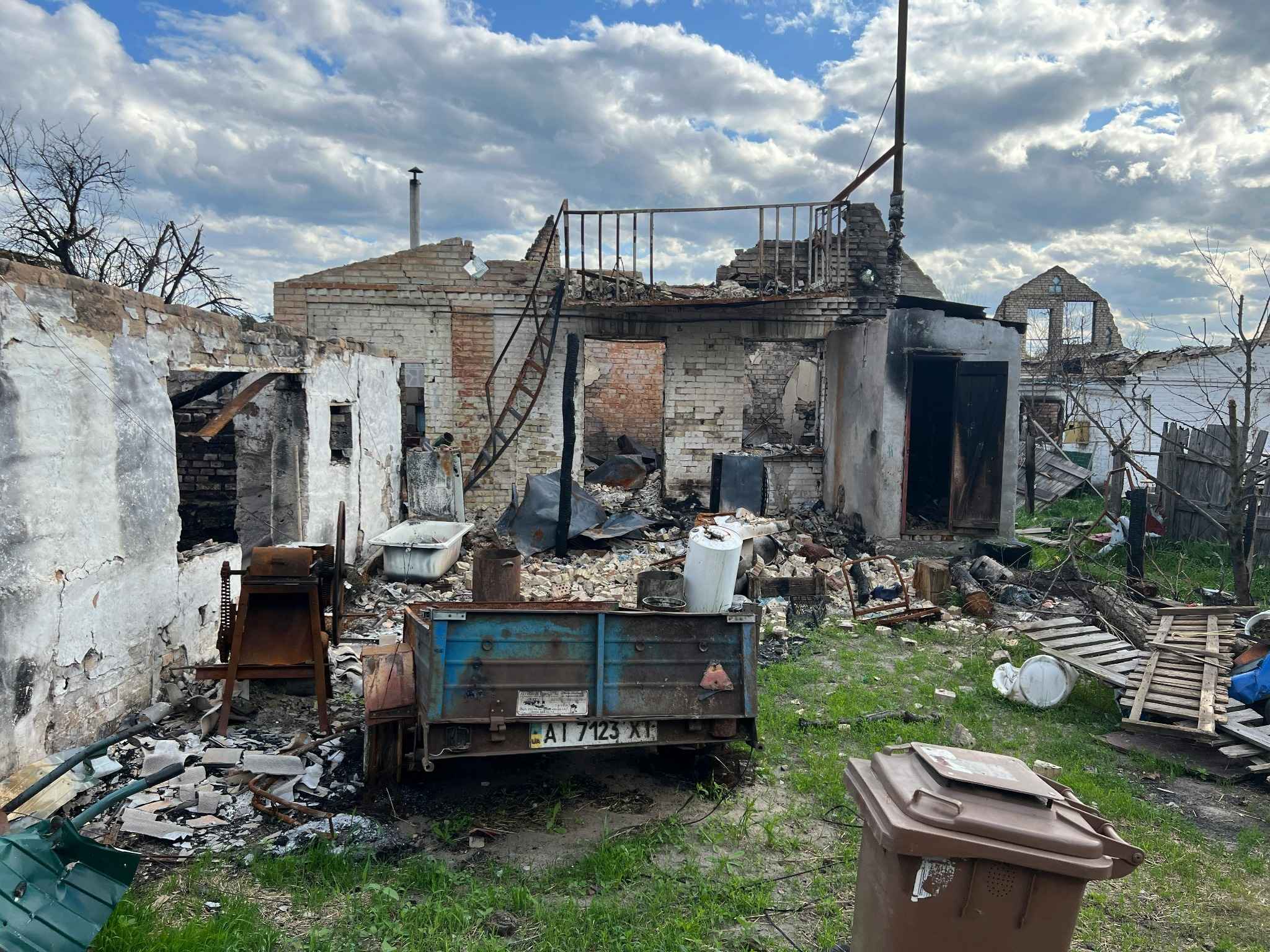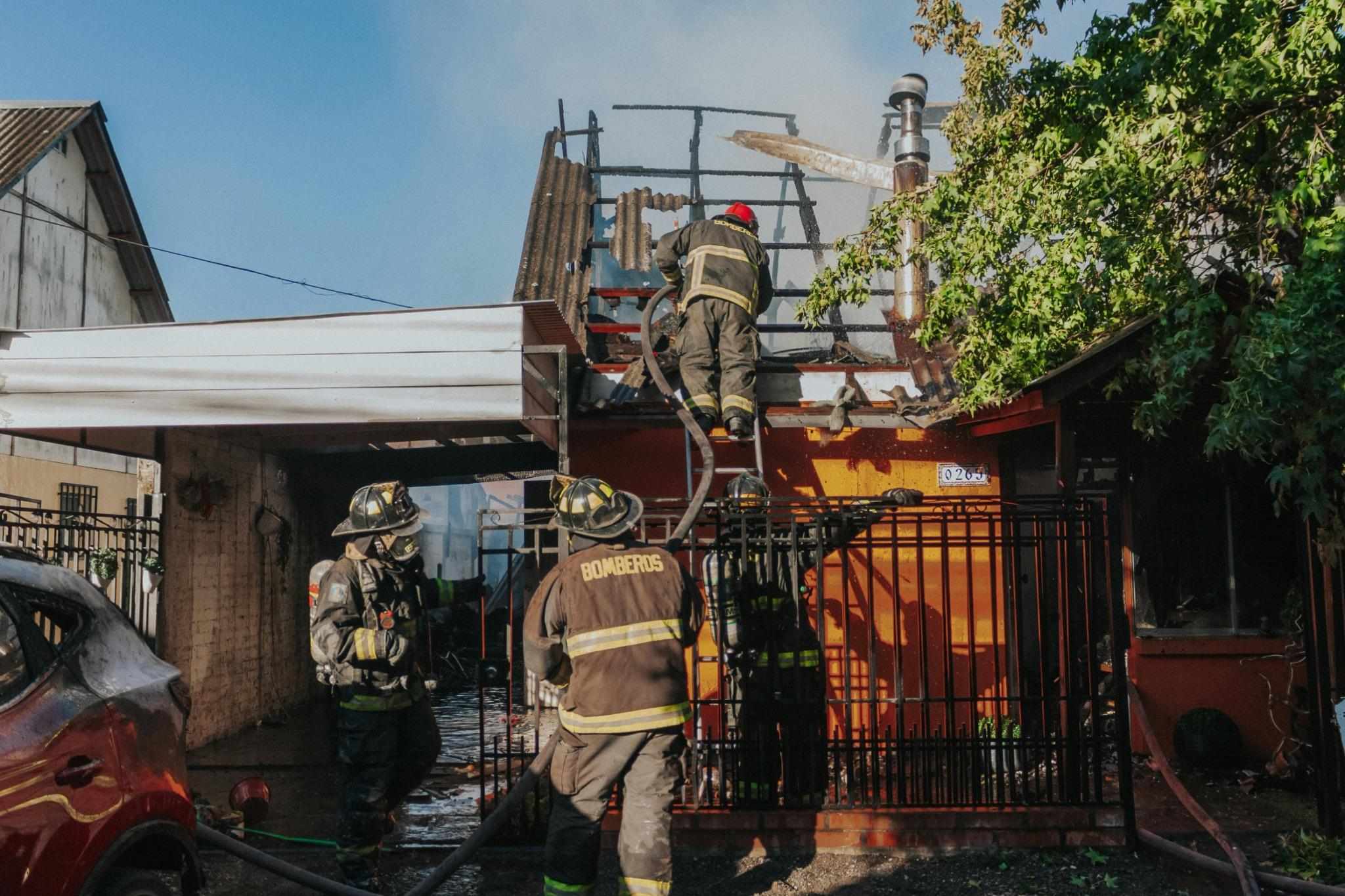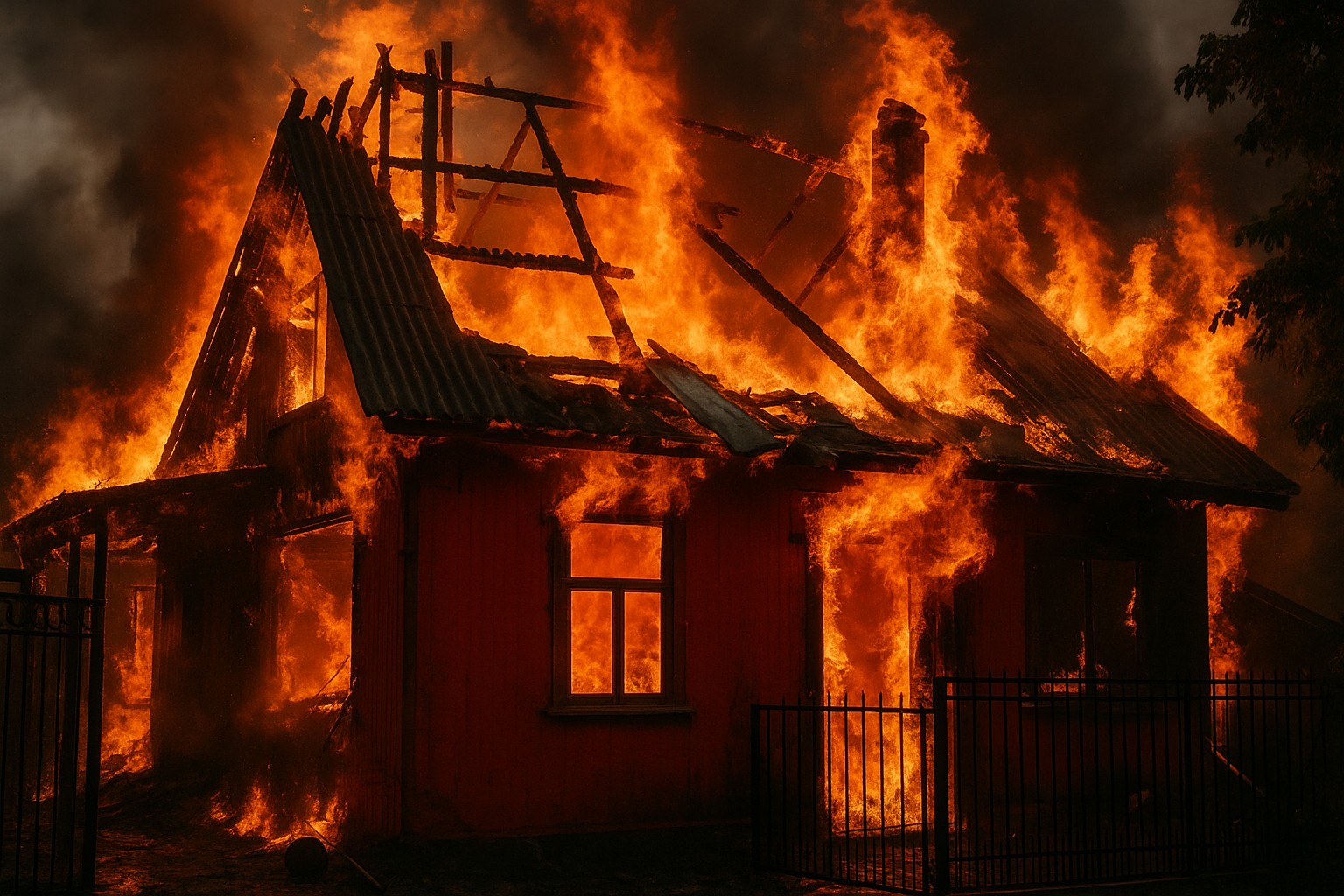
Location plays a critical role in how cash buyers evaluate a fire-damaged home in Los Angeles. Even heavily damaged homes in desirable neighborhoods like Silver Lake, West LA, Pasadena, Glendale, or Culver City still hold significant value because the land itself is in high demand. Why Investors Buy Fire-Damaged Houses Los Angeles . In areas where housing inventory is tight and property demand remains strong, cash buyers can justify purchasing damaged homes at higher prices because they know the resale potential is strong once the home is restored. On the other hand, neighborhoods with slower turnover or less buyer activity may impact the offer, not because the home lacks potential, but because the projected resale value is lower compared to high-demand regions.
Another important element in the evaluation process is the After Repair Value, commonly called ARV. ARV represents what the property will likely be worth once all repairs and upgrades are completed. Cash buyers research comparable home sales in the surrounding LA area to estimate what a fully restored version of your home might sell for. They look at recent sales of similar-sized homes, updated or remodeled properties, and houses with comparable lot sizes. Knowing the ARV helps them determine whether the investment will be profitable after paying for repairs, labor, materials, and holding costs. This calculation is central to their offer and varies depending on the condition of the home and the neighborhood's market strength.
Repair cost estimates are another major component of a cash buyer's evaluation. Unlike homeowners who must pay retail prices for contractors, investors often work with established crews that offer discounted rates. Even so, they need to factor in everything the property requires: structural restoration, smoke remediation, roof repair, electrical rewiring, plumbing replacement, drywall, flooring, HVAC, windows, and final inspections. Fire-damaged homes in Los Angeles also face specific requirements from the Department of Building and Safety, which may require permits, engineering plans, and code upgrades. Cash buyers consider all of these expenses before making an offer. The more severe the damage, the more extensive-and expensive-the repairs. These repair costs directly influence the final offer price because investors need to ensure the project remains financially viable.
Insurance-related factors also come into play. Many homeowners in LA file insurance claims after a fire, and buyers often review these documents to understand what portion of the damage has been covered and whether any work has already been completed. If the insurance company has issued partial payouts or approved certain repairs, cash buyers use this information to estimate what remains to be fixed. Insurance reports, adjuster summaries, fire department documentation, and contractor bids help buyers form a more accurate picture of the damage. This transparency benefits both parties and ensures the offer reflects the home's true condition.
Cash buyers also evaluate timeline factors. Los Angeles is known for slower permitting processes, especially when extensive repairs or structural work is required. Investors analyze how long the project may take, how long the home will remain off the market during restoration, and how market conditions might shift during that time. If the timeline is long or complex, it affects the offer because holding costs increase the longer the investor owns the property before reselling it.
While traditional buyers often walk away when they see fire damage, cash buyers lean on experience. They understand the city's regulations, local contractor availability, inspection requirements, and realistic timelines. Their evaluation process is designed to identify whether the home remains a solid investment rather than focusing on the damage alone. This is why cash buyers are often the most reliable solution for homeowners dealing with fire-damaged properties-they can assess situations that others would find too risky or complicated.
Despite the detailed evaluation process, selling to a cash buyer in Los Angeles remains straightforward for the homeowner. You don't need to repair anything, pay for inspections, or worry about buyer financing falling through. Once the cash buyer reviews the property and completes their calculations, they present a clear, no-obligation offer based on repair costs, ARV, location, condition, and projected timeline. This approach allows homeowners to sell quickly, avoid costly renovations, and move forward without the stress of dealing with contractors or the complexities of the traditional real estate market.
Understanding how cash buyers evaluate fire-damaged homes in LA empowers homeowners to navigate the selling process more confidently. What may seem like a lost cause to the homeowner is often a manageable and valuable project for an experienced investor. With a fair evaluation method, local expertise, and an ability to buy homes as-is, cash buyers provide a practical and stress-free path forward for anyone dealing with the aftermath of a fire.
Fire-Damaged Property Selling Tips Los Angeles

Selling a fire-damaged property in Los Angeles can feel overwhelming, especially when you're still dealing with the emotional and financial impact of the disaster. From navigating insurance claims to understanding local regulations and choosing the right selling method, the process can quickly become confusing. The good news is that many homeowners successfully sell fire-damaged properties in LA every year. With the right approach, you can turn a difficult situation into a smooth and manageable transaction. These essential tips will help you understand your options, avoid costly mistakes, and get the best possible outcome when selling a fire-damaged property in Los Angeles.
The first step is to carefully assess the extent of the fire damage. Even small fires can leave behind smoke odor, soot, electrical risks, and hidden structural issues. If the damage is substantial, the Los Angeles Department of Building and Safety may require an inspection and could tag the home as unsafe, preventing occupancy until repairs are completed. Understanding the true condition of your home helps determine whether repairs are realistic or if selling the property as-is is the smartest choice. Homeowners often underestimate the cost of fire repairs, especially in Los Angeles where contractor labor, materials, and permit fees are significantly higher than in many other cities. Before committing to repairs, it's wise to compare the estimated cost to your financial situation and your ultimate goal for the property.
Another important tip is to decide how much involvement you want in the repair process. Some homeowners consider restoring the home before selling it, hoping to get a higher price on the open market. While this can work in certain cases, it involves substantial time, money, and effort. Fire restoration typically includes structural repairs, electrical replacement, roof reconstruction, plumbing work, smoke remediation, mold prevention, and new permits. Even minor fires can trigger expensive upgrades required by Los Angeles building codes, and delays are common when dealing with inspections and approvals. For many homeowners, the investment does not align with their budget or timeline, which is why selling as-is often becomes the more practical solution.
Understanding your insurance claim is another crucial factor. Many homeowners don't realize they can sell their fire-damaged property and still receive their insurance payout. Your claim is separate from the sale of the home, meaning you are entitled to both the insurance settlement and the proceeds from selling the property. Reviewing your insurance documents, adjuster report, and payout details will help you understand how much coverage you have and whether repairs are financially possible. If your insurance company has delayed or denied parts of your claim, selling the property as-is may help you avoid further financial stress and uncertainty.
Once you've assessed your repair options and insurance details, the next step is choosing the best selling method. In Los Angeles, most fire-damaged homes cannot be sold traditionally through a realtor unless they are repaired first. This is because traditional buyers rely on mortgage lenders, and lenders do not finance homes with significant damage or safety issues. Homes with smoke contamination, structural damage, or red-tag conditions are almost guaranteed to fail inspection and appraisal requirements. Even if a buyer is willing, the loan will not be approved. Listing a fire-damaged home on the MLS often leads to months of waiting, repeated deal cancellations, and requests for repairs that homeowners may not be prepared to handle.
Selling the property to a cash buyer is often the best option for Los Angeles homeowners with fire-damaged houses. Cash buyers do not rely on banks, appraisals, or traditional inspections, which means they are able to purchase homes exactly as they are. They understand the true scope of fire damage and have crews, resources, and experience to handle the repairs themselves. This allows them to close quickly, sometimes in as little as a week or two, and provide sellers with a simple solution without requiring any cleaning, repairs, or trash removal. In a city where construction timelines are unpredictable, selling to a reputable cash buyer removes stress, delays, and financial burden.

Another important tip is to gather any documents related to the fire. Fire department reports, insurance claim summaries, adjuster notes, and photos of the damage can all help streamline the selling process. While cash buyers do not need detailed reports to make an offer, these documents provide a clearer picture of the property's condition and can help justify a fair price. Clear disclosure is required under California law, but this works to your advantage when selling as-is. Cash buyers expect damage and understand the risks, making the process straightforward and transparent.
You should also consider your timeline. Los Angeles homeowners affected by fires often deal with temporary housing, insurance deadlines, or relocation needs. A fast sale may be more valuable than trying to squeeze out an extra few thousand dollars after months of repairs and stress. Knowing your priorities will help you choose the most appropriate selling method and negotiate effectively.
Finally, choose a reputable buyer. Fire-damaged properties require specialized knowledge, and not all buyers have experience with LA building codes or fire restoration. A trustworthy buyer will provide a clear offer, simple contract, no hidden fees, and flexibility with closing dates. Most importantly, they should respect your situation and make the process as easy as possible.
Selling a fire-damaged property in Los Angeles doesn't have to be complicated. With the right information and a smart strategy, you can move forward confidently and avoid unnecessary challenges. Whether you decide to repair the home or sell it as-is, understanding the local market, your insurance rights, and your selling options will help you make the best decision for your future.
Understanding Fire-Damage Home Value in LA
Understanding the value of a fire-damaged home in Los Angeles can be challenging, especially for homeowners who have never dealt with this kind of disaster before. A fire doesn't just affect the physical structure of a house-it also affects its resale potential, marketability, and the overall perception of the property. Because Los Angeles has one of the most competitive and unpredictable real estate markets in the country, figuring out what your home is truly worth after a fire requires a deeper understanding of how local buyers, cash investors, insurers, and appraisers view damaged properties. By learning how fire damage impacts home value in LA, you can make smarter decisions about repairing, selling, or rebuilding.

No. Direct cash buyers typically cover closing costs and charge no commissions, unlike traditional real estate agents.
Cash buyers are usually the best option because lenders won’t finance a severely damaged house, making traditional sales slow and unreliable.